
2026 Health Crises
Millions of lives around the world remain in peril as conflict, displacement, disease and food insecurity overwhelm fragile health systems. In 2026, IHP continues to deliver essential medicines, supplies, and partnerships to support frontline responses where needs are greatest. Here are some of the most significant global health situations we are watching and responding to this year.
Image: Jaber Badwan, International Health Partners (IHP)
Sudan & South Sudan
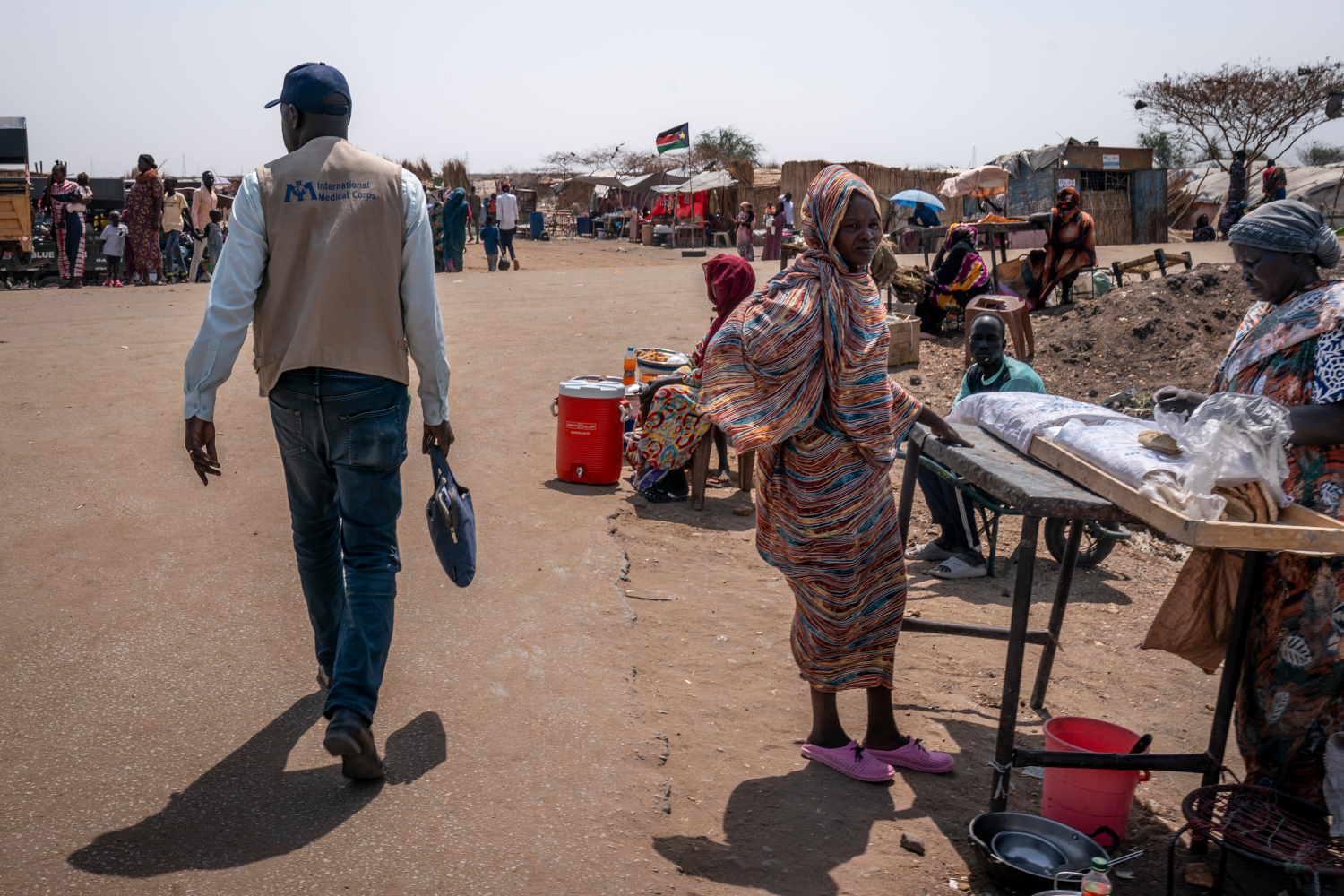
Sudan’s civil war has now entered its third year, creating what the WHO terms the world’s worst health and humanitarian crisis. More than 33.7 million people require humanitarian assistance, while a total of over 17.8 million people are displaced — the largest displacement crisis worldwide. Over a third of health facilities remain non-functional, depriving millions of access to lifesaving care.
Disease outbreaks have surged amid collapsed water and sanitation infrastructure. WHO and partners are responding to cholera, dengue, malaria and measles outbreaks, with routine immunisation severely disrupted. UNICEF has also warned of widespread malnutrition and epidemic risk, particularly among children.
The conflict in Sudan is compounding South Sudan’s own crisis. More than one million refugees and returnees have crossed from Sudan to South Sudan. Over 7.8 million people — more than half the population — face crisis or worse levels of hunger, and 2 2. million children are currently suffering from acute malnutrition.
Why IHP’s involvement matters:
- Essential medicines and supplies: IHP provides essential medicines to support the delivery of primary healthcare services, covering everyday health needs such as treatment of common illnesses, maternal and child health, and the management of long-term conditions.
- Multivitamins: IHP supplies multivitamins to support the treatment and prevention of micronutrient deficiencies, particularly among children and pregnant women affected by widespread malnutrition.
- IHP works with trusted partners IMA World Health, Medair and Medical Teams International
Syria
Following the end of large-scale hostilities, Syria has entered a fragile recovery phase, but the health system remains severely weakened after more than a decade of conflict. Years of damage to infrastructure, the loss of health workers, economic collapse, and disrupted supply chains mean that access to basic healthcare remains limited for millions of people across the country.
Many hospitals and primary healthcare centres are only partially functional, struggling with shortages of essential medicines, medical equipment, electricity and fuel. Services such as maternal and newborn care, routine immunisation, and treatment for non-communicable diseases remain inconsistent, particularly in rural and previously conflict-affected areas. People living with chronic conditions, including diabetes, cardiovascular disease and cancer, frequently face interruptions in treatment due to supply gaps and cost barriers.
While some displaced families have begun to return home, early recovery has brought new health pressures. Overcrowded housing, damaged water and sanitation systems, and poverty increase the risk of communicable disease outbreaks, including water-borne illnesses. At the same time, malnutrition remains a concern, especially among children and older people, as food prices remain high and household incomes low.
Mental health needs are also significant in the post-war context. Prolonged exposure to violence, displacement and loss has led to widespread psychological distress, yet access to mental health and psychosocial support services remains limited within the health system.
Why IHP’s involvement matters:
- Essential medicines and supplies: IHP provides essential medicines to support the delivery of primary healthcare services, covering everyday health needs such as treatment of common illnesses, maternal and child health, and the management of long-term conditions.
- Non-communicable disease treatment: In contexts where health services are disrupted, IHP provides essential medicines for non-communicable diseases to help prevent interruptions in treatment for conditions such as diabetes, hypertension, and cancer.
Ethiopia & the Greater Horn of Africa
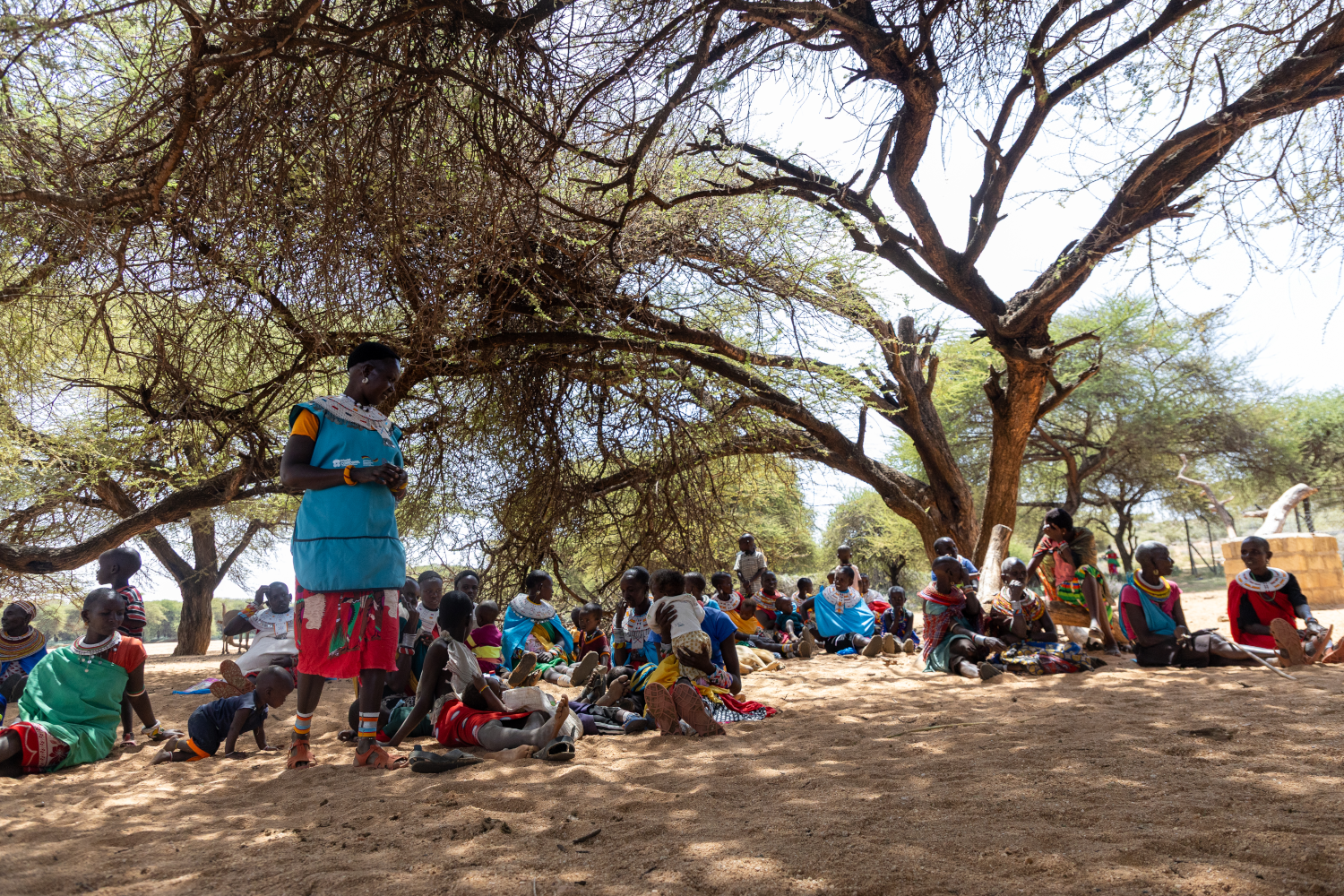
Ethiopia and its neighbours in the Horn of Africa face chronic health emergencies driven by climate extremes and ongoing instability. Recurring disease outbreaks and widespread displacement has increased the pressure on Ethiopia's health systems which have been weakened by conflict-related damage over the last six years.
The broader region continues to suffer from food insecurity, climate-induced drought and malnutrition. Large swathes of Ethiopia, Kenya and Somalia have millions of people without reliable access to food and clean water, contributing to increased disease risk and hunger. In drought-affected areas, 26 million people are experiencing extreme hunger.
Why IHP’s involvement matters:
- Essential medicines and supplies: IHP provides essential medicines and medical supplies to support the delivery of primary healthcare services, covering everyday health needs such as treatment of common illnesses, maternal and child health, the management of long-term conditions and noncommunicable diseases and health supplies such as surgical sutures.
- Multivitamins: IHP supplies multivitamins through our Essential Health Packs to support the treatment and prevention of micronutrient deficiencies, particularly among children and pregnant women affected by widespread malnutrition.
- Neglected tropical disease treatment: where there’s a lack of clean water access, the risk of intestinal worms increases, especially for children. IHP continues to ship deworming medication to help tackle this issue across the Horn of Africa
- Partnerships for resilience: IHP works with trusted partners Project Hope and World Concern
Yemen
More than a decade of conflict has left Yemen trapped in a cycle of humanitarian need, with the health system unable to recover or cope with ongoing demand. WHO continues to classify Yemen as one of the world’s most severe and underfunded health emergencies. More than 22 million people will need humanitarian assistance in 2026, including 5.2 million internally displaced persons (IDPs). UNOCHA has reported that 41% of health facilities are partially functioning or completely non-functioning due to shortages of staff, funds, electricity, medicines and equipment, leaving millions without basic care.
Communicable diseases remain a constant threat. Yemen continues to report one of the highest cholera burdens globally, alongside recurrent outbreaks of measles, diphtheria and dengue fever, all driven by disrupted vaccination services, unsafe water, and poor sanitation. Children are particularly vulnerable. Malnutrition, preventable disease and lack of routine healthcare are combining to create life-threatening risks for millions of children under five.
Beyond acute disease, people living with chronic conditions – such as diabetes, cardiovascular disease and renal failure – face interrupted treatment, with life-saving medicines often unavailable or unaffordable. Maternal health indicators also remain alarming, as women struggle to access antenatal care, safe delivery services and post-natal support.
Why IHP’s involvement matters:
- Assessing opportunities for support: While IHP is not currently active in Yemen, we have extensive experience delivering healthcare to the region in previous years. We remain open to exploring opportunities to support partners with essential medicines as access and delivery routes allow.
Haiti
Haiti’s health crisis has deepened as widespread insecurity, economic collapse and political instability continue to paralyse basic services. Armed violence has forced repeated closures of hospitals and clinics, disrupted supply routes, and driven healthcare workers to flee unsafe areas. Just 37% of health facilities in the capital, Port-au-Prince, are fully operational, with many partially functioning or non-functional due to violence, insecurity and supply shortages.
Food insecurity remains a major driver of poor health outcomes. Large numbers of families struggle to meet basic nutritional needs, with rising levels of acute malnutrition among children, increasing their vulnerability to disease and mortality. Overcrowding, poor sanitation and limited access to clean water have also heightened the risk of cholera and other water-borne illnesses, particularly in urban areas affected by displacement.
Emergency and trauma care needs are growing. Médecins Sans Frontières reports sustained pressure on emergency departments due to violence-related injuries, while maternal and child health services are frequently disrupted. Routine services such as immunisation, antenatal care and treatment for chronic illness are often deprioritised in the face of insecurity, leaving long-term health needs unmet.
Why IHP’s involvement matters:
- Wound care and trauma response: IHP is preparing to support Haiti’s health system with medical supplies to help meet rising trauma and wound care needs linked to escalating violence.
- Partner-led delivery: IHP is working with Hope International Development Agency to ensure health supplies reach frontline services and vulnerable communities despite ongoing insecurity.
Gaza & the West Bank

Since the ceasefire in late 2025, hostilities have reduced but the health impact remains profound. It is estimated that 2.9 million people in the occupied Palestinian territory will require humanitarian health assistance in 2026. Initial medical evacuations via the Rafah crossing since early 2025 have taken place, but over 18,500 patients – including more than 3,000 children –urgently need evacuation for specialised care such as cancer or chronic conditions.
Humanitarian partners have documented widespread destruction of health infrastructure, severely weakening primary care, emergency services, and referral capacity in Gaza and across the territories. Funding gaps remain substantial, particularly for routine immunisation and emergency services.
Access to healthcare in the West Bank is also constrained by infrastructure damage, movement restrictions, and attacks on health facilities. Only a fraction of primary care points is fully operational, and chronic shortages delay care for trauma, chronic diseases, and routine services.
Why IHP’s involvement matters:
- Essential medicines and medical supplies: supporting overstretched clinics and primary healthcare facilities facing chronic shortages following prolonged disruption and damage.
- Continuity of care for chronic conditions: supplying treatments for non-communicable diseases to help patients whose regular care has been interrupted by conflict and access constraints.
- Primary healthcare support: enabling frontline partners to deliver basic care for common illnesses, maternal and child health needs, and preventable conditions.
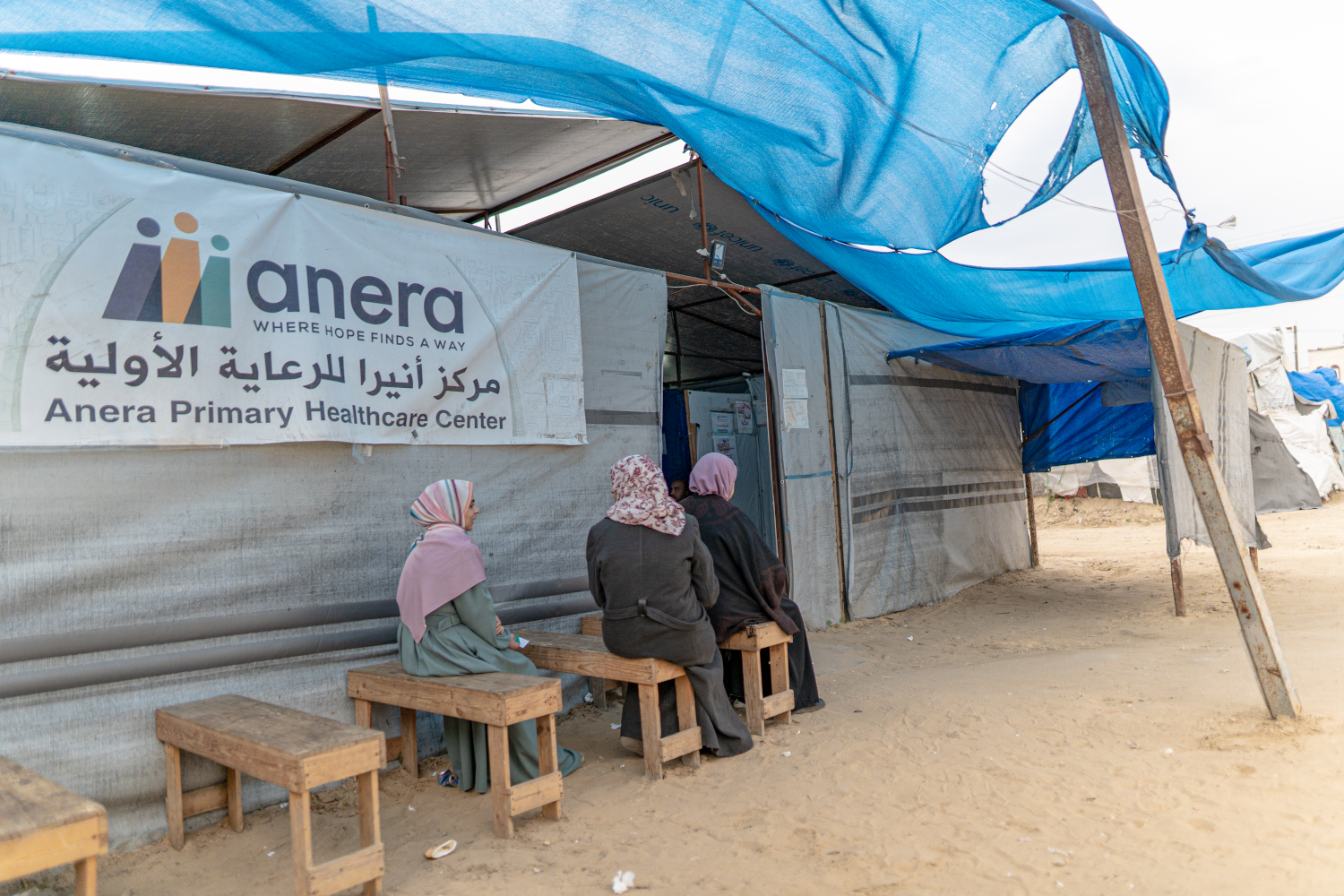
- Partner-led delivery: working with trusted local and international partners, Anera, Project HOPE and International Medical Corps, we are ensuring vital medicines reach communities where access remains limited.


Thank you to all our donors, partners and supporters who make this work possible.
Sign up for our newsletter to stay up to date with the latest news about our work.
If you would like to support our programmes, please consider donating here.
Help us deliver access to medicine all year round
Join our giving community and help us transform the health outlook of families every single month.

See how your donation makes a difference
£5 can help us to give 15 people treatment
£20 will provide 16 children with antibiotics
£100 will provide 83 pregnant women with life saving medicine.
£450 will provide am emergency medical kit to 60 families.
Whatever you give, you could be making a life-changing, even life-saving difference to someone every month.
See how your donation makes a difference
£5 is enough to source and send £600 worth of medical supplies a year to people in need; enough to help approximately 50 people around the world.
£10 is enough to source and send £1,200 worth of medical supplies a year to people in need; enough to help approximately 100 people around the world.
£25 is enough to provide around 750 treatments in a year, helping approximately 250 people in need; and for some, is the difference between life & death.
£100 is enough to provide medicines and supplies for approximately 1,000 people a year living in disaster-hit and vulnerable communites.
Whatever you give, you could be making a life-changing, even life-saving difference to someone every month.
.jpg)
Help us deliver access to medicine all year round
From fundraising to delivering medicines, you can also support our vital work in other ways.
See other ways to help


Fox Court, 14 Gray's Inn Road,
London, WC1X 8HN
United Kingdom


Fox Court, 14 Gray's Inn Road,
London, WC1X 8HN
United Kingdom

